

Introduction to Homemade Food
In today’s fast-paced world, grabbing a quick meal from a restaurant or ordering food online has become incredibly convenient. Yet, despite the ease of takeout and fast food, homemade food continues to hold a special place in people’s lives. Homemade meals are not just about satisfying hunger; they represent health, care, tradition, and quality. When food is prepared at home, every ingredient, flavor, and cooking method can be carefully chosen according to personal preferences and nutritional needs.
The growing popularity of healthy lifestyles has encouraged many people to return to home cooking. Whether it is a simple breakfast, a nutritious lunch, or a wholesome dinner, homemade food offers numerous advantages that restaurant meals often cannot match. From improving health and saving money to strengthening family relationships, the benefits of homemade food extend far beyond the kitchen. Understanding these benefits can inspire more people to make cooking at home a regular part of their routine.
Why Homemade Food Is Making a Comeback
The renewed interest in homemade food is not accidental. People are becoming increasingly aware of what they consume and how food affects their overall well-being. Processed foods and frequent dining out have been linked to excessive calorie intake, high sodium levels, and poor nutritional balance. As a result, many individuals are turning back to home cooking to regain control over their diets.
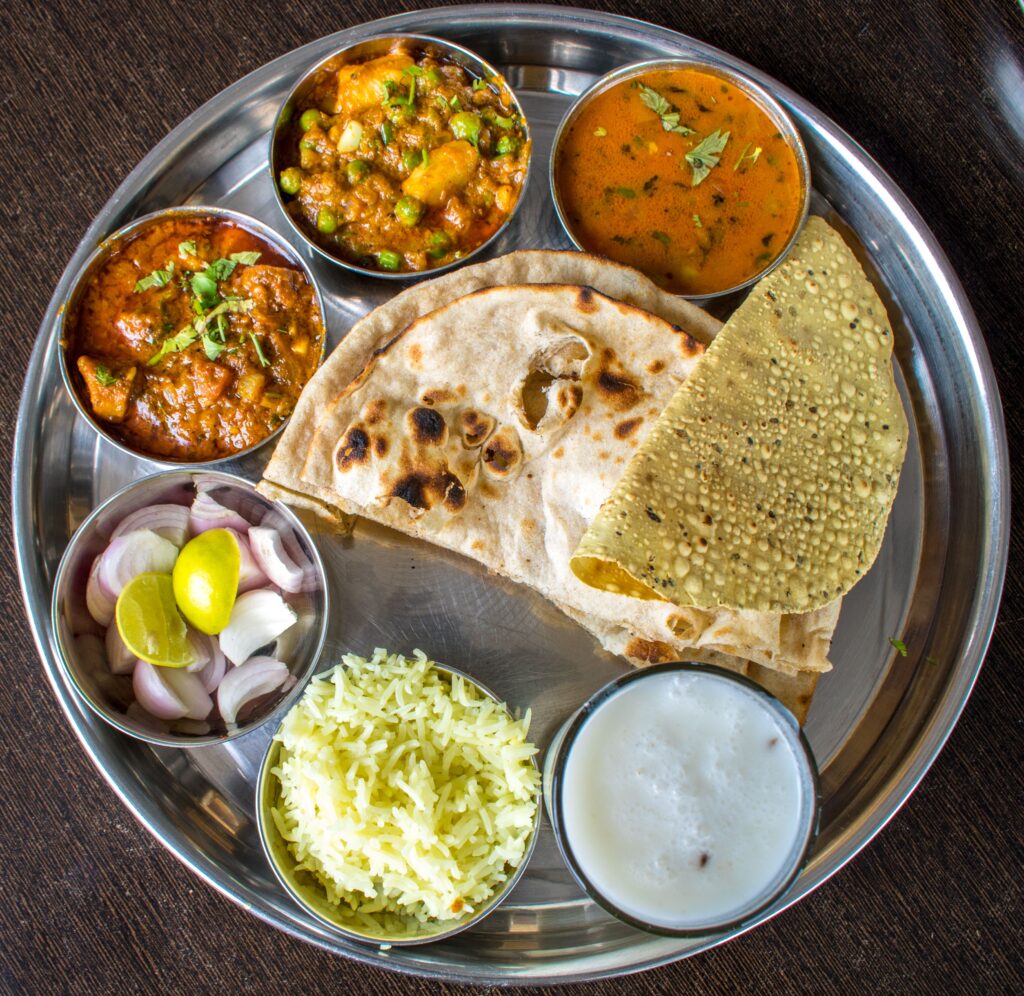
Social media, health blogs, and cooking videos have also played a significant role in encouraging people to prepare meals at home. Cooking has become more accessible and enjoyable than ever before. Individuals are discovering that homemade meals can be delicious, creative, and healthier than many restaurant alternatives. This shift reflects a broader desire for healthier living and greater awareness of food quality.
Growing Health Awareness
People today pay more attention to nutrition labels and ingredient lists. Homemade food allows individuals to avoid excessive sugar, unhealthy fats, preservatives, and artificial additives commonly found in processed foods.
Changing Lifestyle Choices
Many families and individuals now prioritize wellness and sustainability. Cooking at home supports these goals by promoting healthier eating habits and reducing dependence on fast food.
Nutritional Benefits of Homemade Food
One of the most significant advantages of homemade food is its nutritional value. When preparing meals at home, individuals have complete control over the ingredients they use. This control allows for healthier substitutions, balanced meals, and customized recipes that meet specific dietary requirements.
Homemade meals often contain fresh vegetables, fruits, whole grains, lean proteins, and healthy fats. Unlike many restaurant meals, home-cooked dishes are less likely to include excessive amounts of salt, sugar, or unhealthy oils. This nutritional balance contributes to better overall health and reduces the risk of chronic diseases.
Better Control Over Ingredients
Home cooks can select fresh and high-quality ingredients while avoiding artificial preservatives and unnecessary additives. This level of control ensures that meals align with personal health goals.
Reduced Consumption of Unhealthy Additives
Many packaged and restaurant foods contain hidden sugars, sodium, and unhealthy fats. Homemade food minimizes exposure to these ingredients and promotes healthier eating patterns.
Homemade Food Supports Physical Health
Good nutrition is closely connected to physical health, and homemade food plays an essential role in maintaining a healthy body. Regular consumption of balanced home-cooked meals can help improve energy levels, strengthen immunity, and support overall wellness.
People who cook at home are often more mindful of portion sizes and nutritional content. This awareness encourages healthier choices and helps prevent overeating. Consistent healthy eating habits can contribute to long-term health benefits and improved quality of life.
Weight Management
Homemade meals typically contain fewer calories and unhealthy ingredients compared to restaurant food. By controlling portion sizes and ingredients, individuals can better manage their weight and reduce the risk of obesity.
Improved Digestion
Fresh ingredients and balanced nutrition support healthy digestion. Homemade food often contains more fiber and fewer processed ingredients, helping maintain digestive health.
Financial Benefits of Cooking at Home
Beyond health advantages, homemade food offers significant financial benefits. Eating out regularly can quickly become expensive, especially for families. Preparing meals at home allows individuals to stretch their budgets while still enjoying nutritious and satisfying food.
Cooking at home also provides opportunities to buy ingredients in bulk, plan meals efficiently, and use leftovers creatively. These practices reduce overall food expenses and increase household savings over time.
Lower Food Expenses
A homemade meal often costs much less than a comparable restaurant meal. Families can save substantial amounts of money by cooking more frequently at home.
Reduced Food Waste
Meal planning and proper ingredient management help minimize food waste. Leftovers can be repurposed into new dishes, maximizing the value of purchased ingredients.
Homemade Food and Family Bonding
Food has always been a powerful way to bring people together. Homemade meals create opportunities for families to spend quality time together, share experiences, and strengthen emotional connections.
When family members participate in meal preparation, they develop teamwork, communication skills, and a sense of responsibility. These shared experiences often create lasting memories and foster stronger relationships.
Shared Meals Create Stronger Relationships
Eating together encourages meaningful conversations and helps family members stay connected despite busy schedules.
Teaching Healthy Habits to Children
Children who grow up eating homemade meals are more likely to develop healthy eating habits that continue into adulthood.
Food Safety and Hygiene Advantages
Food safety is another important benefit of homemade food. Preparing meals at home allows individuals to maintain high standards of cleanliness and hygiene throughout the cooking process.
People can carefully wash ingredients, monitor cooking temperatures, and ensure proper food storage. This level of oversight reduces the risk of foodborne illnesses and contamination.
Cleaner Preparation Environment
Home kitchens can be maintained according to personal cleanliness standards, providing greater confidence in food quality and safety.
Environmental Benefits of Homemade Food
Homemade food also contributes to environmental sustainability. Restaurant takeout and packaged meals often generate large amounts of waste through disposable containers, plastic utensils, and excessive packaging.
Cooking at home helps reduce this environmental impact. Individuals can use reusable containers, purchase local ingredients, and make more sustainable food choices.
Less Packaging Waste
Preparing meals from fresh ingredients significantly reduces reliance on single-use packaging materials.
Sustainable Food Choices
Home cooks can support local farmers and choose environmentally friendly ingredients, promoting sustainable food systems.
Mental and Emotional Benefits
Cooking and eating homemade food can positively impact mental and emotional well-being. Many people find cooking relaxing and therapeutic. The process of preparing a meal can provide a sense of accomplishment and creativity.
Homemade meals also create feelings of comfort and familiarity. Sharing food with loved ones can improve mood, reduce stress, and strengthen social connections.
Stress Relief Through Cooking
Cooking can serve as a productive and calming activity that helps individuals focus and unwind after a busy day.
Greater Satisfaction and Happiness
Preparing a meal from scratch often brings a sense of pride and achievement, contributing to greater overall happiness.
Tips for Making Homemade Food a Daily Habit
Building a habit of cooking at home does not require professional culinary skills. Small, consistent steps can make homemade meals a regular part of everyday life.
Start by planning meals for the week and creating a shopping list. Keep simple ingredients on hand and choose recipes that match your schedule and skill level. Batch cooking and meal preparation can save time while ensuring healthy meals are always available.
Consistency is more important than perfection. Even preparing a few homemade meals each week can lead to noticeable improvements in health, finances, and overall well-being.
Conclusion
Homemade food offers a remarkable combination of health, financial, emotional, and environmental benefits. It provides better control over ingredients, supports healthy lifestyles, strengthens family relationships, and promotes sustainable living. While modern conveniences make eating out easier than ever, the value of home-cooked meals remains unmatched.
Choosing homemade food is not simply about eating; it is about investing in long-term wellness, creating meaningful experiences, and making conscious decisions about nutrition and lifestyle. By embracing home cooking, individuals can enjoy delicious meals while building healthier and happier lives.
Frequently Asked Questions (FAQs)
1. Why is homemade food healthier than fast food?
Homemade food allows complete control over ingredients, portion sizes, and cooking methods, resulting in healthier meals with fewer additives.
2. Does cooking at home save money?
Yes, preparing meals at home is generally much more cost-effective than eating at restaurants or ordering takeout regularly.
3. Can homemade food help with weight loss?
Yes, homemade meals make it easier to manage calorie intake and choose healthier ingredients, supporting weight management goals.
4. How does homemade food benefit families?
Home-cooked meals encourage family bonding, communication, and the development of healthy eating habits.
5. What are some easy ways to start cooking at home?
Begin with simple recipes, meal planning, and batch cooking. Gradually build confidence and cooking skills over time.